You take out a sweater and the little pills greet you first. Picking them off may feel satisfying, but removing pills and tugging at the garment's yarn are not the same task. Check the instructions for your garment before shopping for a tool.
On November 7, 2026, we compared official Woolmark and Jigsaw guidance. This is not a measured shaver test or a quality assessment of the photographed fabric. One method does not automatically suit every fiber and knit structure.
Key points
- Removing surface pills and pulling a connected yarn are different tasks.
- Hand, comb and shaver advice has different scopes; check your garment label, item number and brand guidance first.
- Stop if yarn lifts or the fabric distorts, and consult the maker or a repair specialist.

1. Why look at areas that rub?
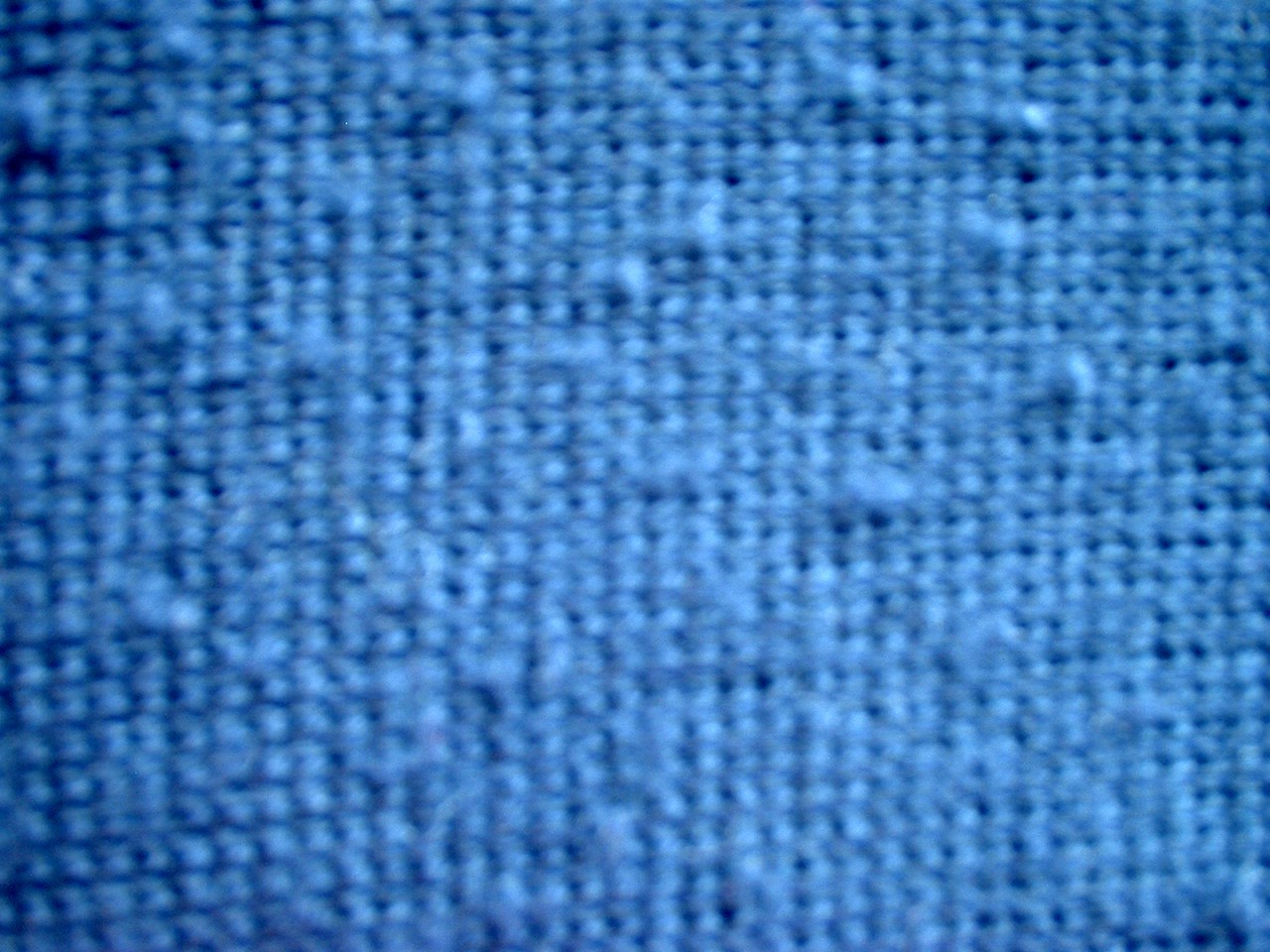
Woolmark describes small fiber balls forming on wool through rubbing during wear. That gives you a reason to observe areas touched by a bag strap or moving sleeves. How pilling forms
A single photograph cannot establish value for money or a product defect. Before treatment, record where the pills appear and whether the area changed after wearing. Reading washing instructions and treating existing surface pills are also separate questions.
2. Remove by hand, or avoid pulling?
Even official advice has different scopes. Woolmark describes removing a few pills by hand or using a comb very carefully. Jigsaw's guidance for its knitwear and cashmere instead advises avoiding pulling by hand and using a comb gently. Woolmark methods · Jigsaw garment care
Rather than promote one sentence to a universal rule, check your garment's brand, item number and material guidance first. If you cannot distinguish a small surface ball from a long protruding yarn, do not begin with a forceful pulling experiment. Comparing care guidance is not a brand ranking or product recommendation.
3. Three checks before choosing a tool
This is an editorial checklist. The garment label and maker's instructions take priority; no tool is guaranteed to prevent damage on every garment.
| What you see | Check first | Next action |
|---|---|---|
| Small surface balls | The recommended method for this garment | Carefully check a small area using an allowed method |
| A long connected yarn or loop | Can you tell whether it is simply a pill? | Do not pull; ask with a photograph and item number |
| Yarn lifts as you work | Whether the tool suits the fabric | Stop and ask the maker or a repair specialist |
Jigsaw advises a low setting and a light touch if using a fabric shaver. Do not interpret that as permission for another garment. Asking whether the method suits this item comes before making one powerful pass. Conditions for shaver use
4. Check just one garment today
- Photograph the label, item number and affected area.
- Read the maker's recommended method alongside the tool instructions.
- Stop if yarn pulls or the fabric distorts, and keep a record for advice.
Hypothetical example: If pilling appears where a sleeve rubs against a coat lining, check the area and garment information rather than turning a shaver up to maximum. This is not a customer review or a test of the photographed fabric.
Do not change washing and drying methods at the same time simply because the pills bother you. Continue with washing versus drying instructions. The goal is finding suitable care with less interference, rather than a tug-of-war with your sweater.